

Craps Strategy for Beginners: A Calm Start on the Table
The table can feel loud, but a solid craps strategy for beginners is mostly about restraint and reading the layout before you throw. I’ve spent years keeping VIPs steady across Tokyo, Paris and Sydney rooms, and the same discipline shows up here: pace yourself, pick the right bets, and treat the game like a session, not a sprint. If you want a quieter break between rounds, a title like Legacy of the Dead keeps the mood low-key and the mechanics familiar, which suits a chilled arvo better than a frantic reel chase. Start slow, watch the markers, and let the dice do the talking.
Where a beginner should place their money

A good craps strategy for beginners starts with the bets that actually carry a small house edge and clear rules. The Pass Line with a sniff of odds is the backbone for a reason: you win on a seven or eleven, lose on two, three or twelve, and the odds portion pays true odds once the point is set. That structure rewards patience more than chasing a flashy payout. Some players lean on the field or the proposition bets because the numbers look bigger, but those spots usually tilt the edge harder against you and turn a steady session into a fast burn. I’ve seen punters in Darwin casual rooms and high-limit suites alike drift toward the middle of the table when the noise rises; the ones who stay profitable treat the centre bets as entertainment, not as a plan.
A short practical note for an ordinary Australian reader: if you’re playing with a $100 session limit on a Tuesday arvo and you keep your base bet at $5 on the Pass Line, you can ride out variance longer than someone splitting the same bankroll across a handful of proposition bets. That’s not a guarantee of profit, just a way to keep the session playable when the dice run cold. For anyone comparing table limits across different rooms, a measured read on smarter table approaches can help you weigh which spots suit a cautious bankroll rather than chasing a single hot streak at https://neurontingabapitin.com/reviews/strategia-per-la-roulette-a-craps-645a1f. The key is matching your bet sizes to the table minimum and your own stop-loss, not to the loudest marker on the felt.
Beginner-friendly bet checklist
- Pass Line or Come bets with odds when the table allows them
- Keep proposition bets to a small, planned portion of the session https://legacy-of-dead-slot-au.com/
- Set a session limit before the first throw and step back when it’s hit
- Watch the puck and the dealer’s calls before joining a new point
| Bet type | Typical edge feel for beginners | What it’s good for |
|---|---|---|
| Pass Line + odds | Lower edge on the odds portion, simple rules | Steady sessions, learning the flow |
| Come bet | Similar structure to Pass Line, more flexibility | Adding controlled action after a point is set |
| Field / proposition | Higher edge, faster swings | Short entertainment, not a core plan |
How table limits and session planning shape a beginner’s edge
The second piece of a workable craps strategy for beginners is matching your play to the room you’re actually in, because limits and pacing change the whole experience. A busy Darwin club session on a Friday night often runs faster, louder and with tighter minimums than a quiet weekday arvo at a smaller venue, and that shift matters more than most newcomers realise. When the table turns over quickly, you see more decisions per hour and your bankroll can thin out even if you’re making sensible bets. I’ve managed retention across Japanese and French floors where the same game felt completely different just because of pace, service style and crowd size; the lesson carries across markets. The players who last are the ones who adjust bet sizes to the tempo instead of copying a plan that only works in a slow room.
Abigail Fisher, Risk and Integrity Manager, Laneway Interactive Media, puts it plainly: “A beginner’s edge usually comes from session design, not from any single bet – the table limits, the pace of play and the player’s own stop rules do most of the work.” That’s the kind of call I make when a VIP wants to extend a night: tighten the base bet, keep odds modest, and treat any extra action as optional rather than obligatory. Mia Williams, Marketing Director, Coastal Wager Research, adds a useful caveat: “Players often overvalue the moment a puck changes and underestimate how much the surrounding pace affects their choices, so a calmer approach usually beats a reactive one.” Those are practical reminders, not promises, and they line up with what I’ve seen in real rooms where the dice run hot and cold without warning.
| Room type | Typical beginner impact | Practical adjustment |
|---|---|---|
| Busy Friday night table | Faster decisions, quicker bankroll swings | Smaller base bet, stricter stop limit |
| Quiet weekday session | More time to read the flow | Slightly larger odds if the plan allows |
| High-limit room | Higher minimums, slower but costlier mistakes | Keep proposition bets minimal, focus on Pass/ Come |
When you’re weighing where to sit and how to pace yourself, it helps to compare the room’s rhythm with your own tolerance for speed, because a calm Darwin arvo and a packed weekend session reward different choices. That’s where a measured read on table selection and bet sizing becomes more useful than any flashy system, especially if you’re still learning how the markers, odds and payouts line up in practice. Craps ve Rulette Daha Bilinçli Oyun
Matching the approach to the kind of player you are
A craps strategy for beginners only sticks when it fits the kind of session you actually want, because a cautious bankroll player and a social table sitter need different priorities. If you’re there for a measured evening with a clear limit, the Pass Line plus modest odds gives you a straightforward path and fewer moving parts to track. If you’re more interested in the social side and the rhythm of the table, a Come bet or two can add variety without pulling you into the high-edge centre bets that burn through money fast. The point is to pick a lane and stay in it, rather than drifting from one proposition to another every time the puck shifts.
I’ve learned to read that difference across markets: in Mandarin-speaking rooms, players often prefer a quieter, more structured session with clear limits, while French-floor regulars sometimes lean into a longer, more social pace with smaller base bets. Neither approach is superior on its own, but both work better when the player knows which one matches their mood that night. The same judgement call applies here: if you’re after a relaxed break, keep the bets simple; if you’re after a busier table experience, add controlled Come action and leave the proposition bets as a small, planned sideline. The dice don’t care about your mood, but your bankroll and your evening definitely do.
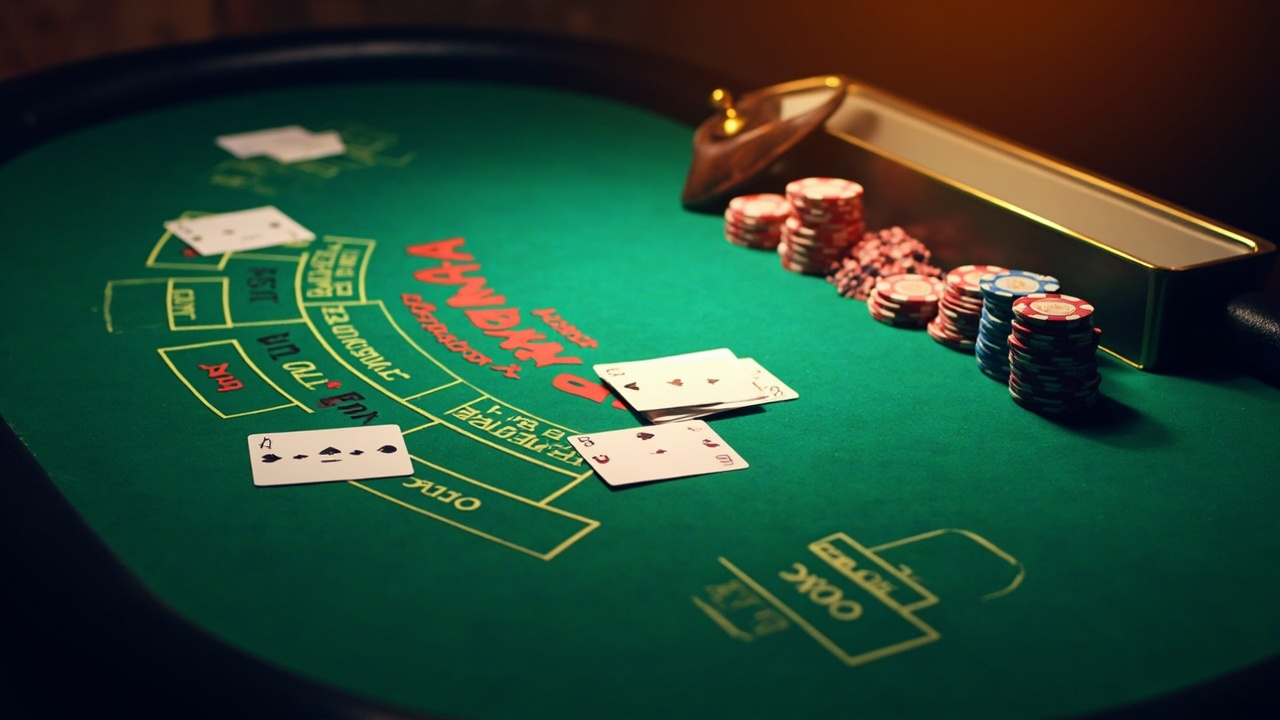
A short example for an ordinary Australian reader: imagine you’ve set aside a modest session for a Thursday evening, you want a couple of hours of table action without turning it into a rush, and you’d rather keep the decisions simple. In that case, a Pass Line base bet with a small odds allowance, a pre-set stop point, and a habit of stepping back when the puck turns over a few times in a row will usually give you a steadier night than jumping between centre bets every time the table gets loud. That’s the kind of everyday choice that separates a playable session from a frustrated one.
The verdict is straightforward: a craps strategy for beginners works best when it keeps the edge-friendly bets at the centre, treats the faster high-edge spots as optional entertainment, and matches bet sizes to the room’s pace and your own limit. Start with Pass Line or Come, add odds only when the plan allows, keep proposition bets small, and let the session end on your terms rather than on a hot or cold streak. Play for the flow, not for a miracle, and the table stays a game you can return to another arvo.